When you stop waiting for your turn to speak
From a rehearsal day at Clownronden to an improv course — what I found there was less about acting and more about listening and paying close attention.
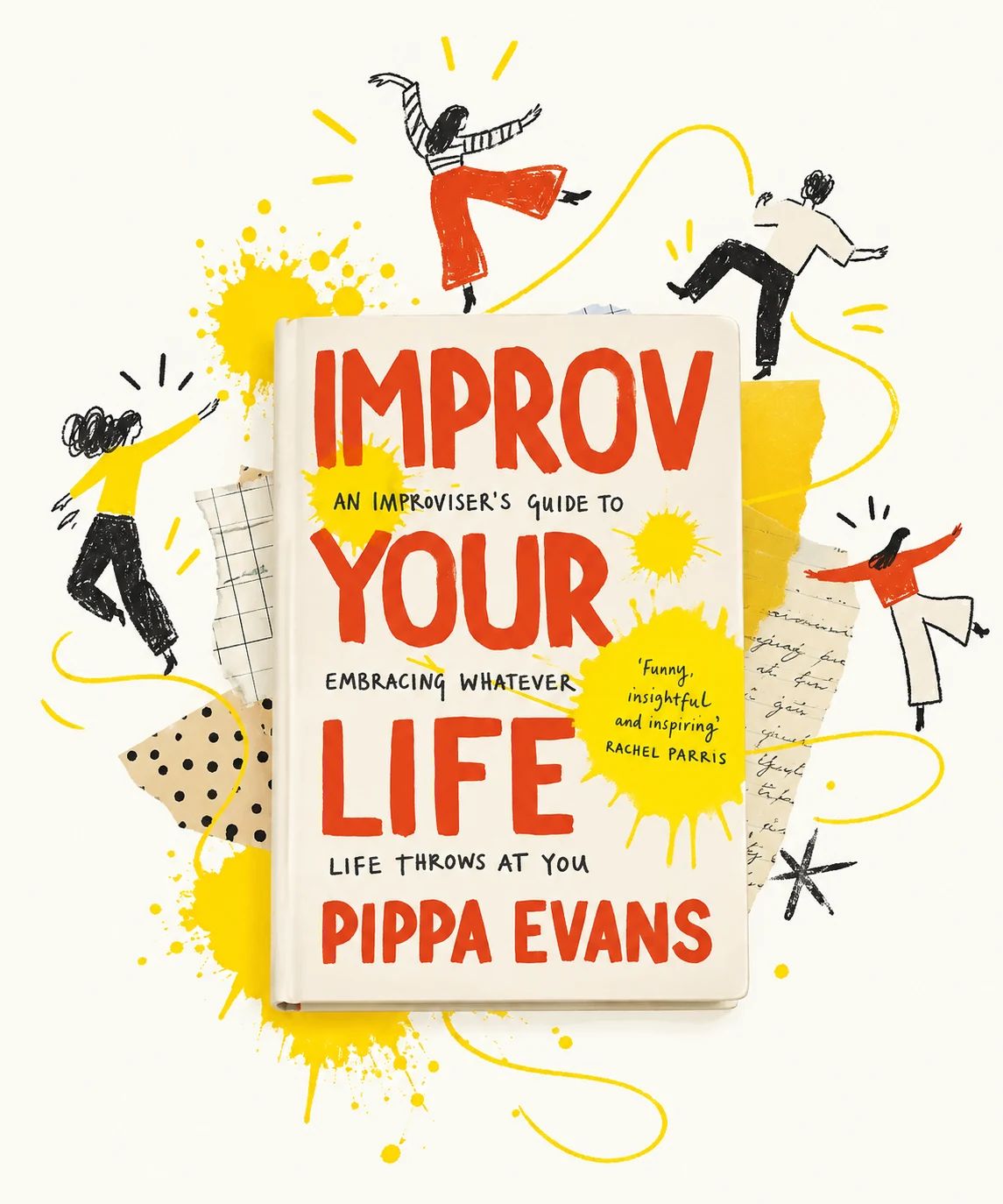
One thing led to another. The curiosity that started when I joined Clownronden and attended the artists' first rehearsal day in December 2025 grew while reading 'Improv Your Life' by Pippa Evans. I signed up for an improv course to have the chance to practice Evans' recommendations from her book based on improv principles:
'Yes, and' mindset → accept reality and build on it
Saying 'no' wisely → know when to say no and set boundaries
Curiosity & playfulness → approach situations with openness
Embracing failure → see mistakes as part of growth
And, most importantly…
Being present → listen actively. It is what makes everything else work. You are not just waiting for your turn to speak. When you truly listen, your response feels connected and relevant, not random. That is what turns a sketch into a believable moment. You are fully receiving what the other person is giving you: their words, tone, body language, and even the subtext — and building on it. Active listening helps you to pick up emotions, mirror energy, and support your scene partner. Active listening in improv (and in life) is what turns reaction into connection.
And just like I would try to do while in an improv scene — may I keep on accepting what happens, responding consciously and continuing creatively.
3 Recommendations
Improv Your Life by Pippa Evans — an improviser's guide to embracing whatever life throws at you.
The Coaching Habit by Michael Bungay Stanier — say less, ask more, and change the way you lead forever.
Supercommunicators by Charles Duhigg — how to unlock the secret language of connection.
"The ears hear. The brain listens."