
Reading right now
Exophony: Voyages outside the mother tongue
In Exophony: Voyages Outside the Mother Tongue, Yoko Tawada invites us to reflect on how deeply we are shaped by our mother tongue—and to explore what happens when we step outside its rhythms and venture into the unfamiliar.
The subject of the book made me pick it up from the pile on the table almost immediately. I felt a connection: I, too, have pondered many of the questions Tawada poses in her writing.
My studies in intercultural communication strengthened my conviction that learning another language and living in another country can be a way of blurring boundaries and encountering new versions of ourselves. It is also a practice in stepping outside your comfort zone and finding out what that feels like.
It can be painful and solitary, but it can also become an exercise in personal growth: stretching the mind like an elastic band, making it more capable of adjusting, shifting, and seeing things from another perspective.
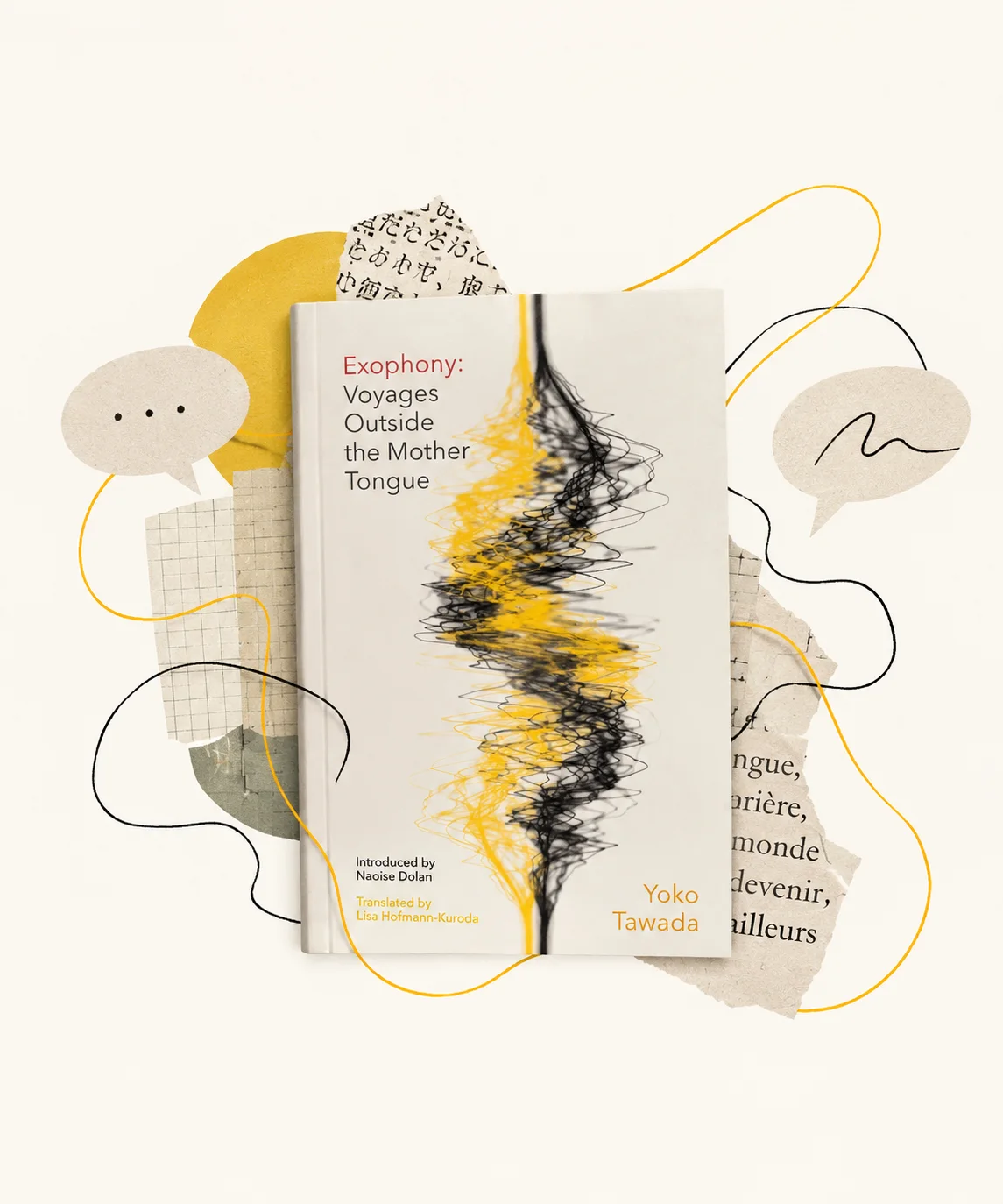
Tawada describes the exophonic as an adventurous concept, brimming with curiosity.*
Even though this book was originally written for a Japanese audience, I think anyone interested in how language and culture shape our identities will find something meaningful in its pages. Perhaps there is also some consolation in realizing how many of us live with the uncertainties and discoveries that come with adapting to, claiming, or sometimes rejecting a new language.
As someone who speaks Swedish at home, has Spanish as a mother tongue, and uses English as a working language, Tawada’s words resonate deeply with me.
Maybe they will with you, too.
*Exophony: the experience of existing outside one’s mother tongue.
“Nothing good can come from a predetermined sense of community. I want to believe that living means creating new communities whenever we happen to be, using the power of language.”